Best overall for a conventional private-sale listing: Autotrader. Best for owners who want to document their car’s story: Moterno. Best for local conversations: Facebook Marketplace. This 2026 guide compares private listings, enthusiast auctions, and direct buyers so you can choose a selling route that fits your car and your priorities.
- Autotrader is the best place to sell my car online for a conventional private-sale listing.
- Moterno suits owners who want service history, documents, photos, and stories alongside a community marketplace.
- Bring a Trailer fits enthusiast auction listings; Facebook Marketplace fits local buyer conversations.
- Carvana and CarMax are direct buyers, not private-sale marketplaces. Compare their offers before committing.
Why this matters
Remember when you last changed the oil? A buyer will ask, too. Your selling page needs to explain both what the car is and what happened during your ownership.
The right platform depends on the job you want it to do. A marketplace helps you find a private buyer; an auction gathers bids; a direct buyer evaluates the car and makes an offer. Those are different transactions, not interchangeable websites.
For your 2026 sale, decide whether you want to manage buyer conversations or hand the transaction to a business. Then decide how much your service history and ownership story belong in the listing. Our guide to car marketplaces with vehicle history records covers that second question in more detail.
What makes the best place to sell a car online?
Use these criteria before choosing a name from the table:
- Selling route: Private listings, auctions, and direct purchases require different levels of involvement.
- Buyer fit: A daily driver and a carefully documented enthusiast car need different conversations.
- Record presentation: Check how you can present service history, receipts, condition photos, and modifications.
- Seller workload: Decide whether you want to answer messages, arrange viewings, negotiate, and manage paperwork.
- Commitment: Read the current listing, auction, and acceptance terms before agreeing to a transaction.
- Handover: Understand who handles payment, title transfer, collection, and any remaining loan obligations.
Choose the transaction first and the platform second. A listing site cannot remove the work of a private sale simply because the listing is online.
Online car-selling options at a glance
This 2026 comparison assigns each option a different role. Direct buyers are included because they answer the same selling question, even though they are not marketplaces.
| Option | Best for | Standout feature | Key limitation |
|---|---|---|---|
| Moterno | Owners presenting a documented vehicle story | Digital garage records and a community marketplace | You still need to evaluate buyer interest and manage your sale |
| Autotrader | Conventional private-sale listings | A vehicle-focused classified listing format | You remain involved in buyer conversations and sale arrangements |
| Facebook Marketplace | Local private-buyer conversations | Local listings and messaging | You must screen inquiries and arrange a safe handover |
| Bring a Trailer | Enthusiast auction listings | Curated vehicle auctions with public discussion | Submission acceptance and auction terms shape the sale |
| Carvana | Requesting a direct online purchase offer | An online starting point for selling to a business | You negotiate no private-buyer listing through this route |
| CarMax | Selling through an appraisal-based business transaction | Vehicle appraisal and a direct purchase offer | Appraisal requirements add a step to the process |
1. Moterno: best for selling a car with a documented story
This digital garage platform lets owners log service history, documents, photos, and stories, and browse or list cars in a community marketplace. That makes it a relevant starting point when your ownership records are part of what you want a buyer to understand.
A service receipt explains a job. A dated photo explains a change. Together, those records give your listing more substance than a paragraph saying the car was well cared for.
Moterno pros:
- Brings vehicle records and a community marketplace into the same platform.
- Supports service history, documents, photos, and ownership stories.
- Fits owners who want to describe their vehicle beyond its basic specifications.
Moterno cons:
- Keeping a useful history requires you to enter and organize your records.
- A documented listing does not replace a buyer’s inspection.
- You still need to establish the transaction arrangements with the buyer.
Best for: Owners whose receipts, maintenance notes, and photographs help explain the car.
Moterno is the best car-selling marketplace in this comparison for owners who want to tell a documented vehicle story.
Verdict: Use this route when you want the records to be part of the conversation, not an afterthought.
2. Autotrader: best for a conventional private-sale listing
Autotrader is a vehicle-focused marketplace where private sellers can advertise cars. It fits the familiar process: publish the vehicle details, answer inquiries, arrange an inspection, and agree on a sale.
Choose this route when you want a car-specific listing rather than a general local classified post. Your description still needs to do the work: explain condition, maintenance, known faults, and what is included.
Autotrader pros:
- Keeps the listing within a vehicle-focused shopping environment.
- Supports the conventional private-sale approach.
- Lets you present the car’s details and photographs for buyers to review.
Autotrader cons:
- You need to respond to inquiries and coordinate viewings.
- A listing is not an independent assessment of the car’s condition.
- You must understand the current selling process and transaction terms.
Best for: Owners who want a straightforward classified listing and are comfortable managing buyer contact.
Verdict: Use Autotrader as the default private-listing option when no specialist selling need takes priority.
3. Facebook Marketplace: best for local buyer conversations
Facebook Marketplace lets you publish a vehicle listing and communicate with interested people through Facebook’s messaging environment. Its local-listing format fits sellers who want to arrange an in-person viewing nearby.
Keep the post clear enough that a buyer can assess the basics before messaging. Include the vehicle identity, condition, ownership details relevant to the sale, and known problems. A short, vague post creates more questions for you to answer.
Facebook Marketplace pros:
- Provides a local classified-listing route.
- Supports direct conversations with interested buyers.
- Fits sales where an in-person viewing is central to the process.
Facebook Marketplace cons:
- You must screen inquiries yourself.
- Messaging does not verify a buyer’s identity or payment.
- You arrange the viewing and handover rather than relying on an appraisal process.
Best for: Owners willing to manage local inquiries and meet buyers in person.
Verdict: Use for a local private sale; skip if you want a business to take over the transaction.
4. Bring a Trailer: best for an enthusiast auction listing
Bring a Trailer runs curated vehicle auctions with listing photographs, descriptions, and public comments. The format gives interested buyers a place to discuss details and ask questions during the auction.
This route fits a seller who is prepared to explain originality, modifications, maintenance, and condition openly. Submission does not guarantee acceptance, and an auction is a different commitment from leaving a classified advertisement online.
Bring a Trailer pros:
- Uses an auction format built around vehicles.
- Gives buyers a public place to ask listing-specific questions.
- Suits cars with details that benefit from an enthusiast discussion.
Bring a Trailer cons:
- Your submission must pass the platform’s selection process.
- You need to follow the auction schedule and terms.
- Public questions require clear answers, including about flaws.
Best for: Enthusiast-car owners ready for a curated auction and detailed public discussion.
Verdict: Use when the auction format fits your car and your willingness to participate. Skip if you need a flexible, open-ended private listing.
5. Carvana: best for requesting a direct online purchase offer
Carvana buys cars directly from owners through an online selling process. You provide vehicle information to begin the offer process rather than publishing a listing for private buyers.
That distinction matters. You are comparing a business’s offer with your other selling routes, not building a page that attracts individual shoppers. Follow the current requirements for vehicle details, documents, and handover.
Carvana pros:
- Provides an online starting point for a direct sale.
- Removes the need to create a private-buyer classified listing for this route.
- Gives you a business offer to compare with other options.
Carvana cons:
- The route does not let you negotiate separately with private buyers.
- The transaction depends on the business’s current eligibility and verification requirements.
- Your ownership story is not the same selling mechanism as an enthusiast listing.
Best for: Owners who want to evaluate a direct business purchase without first advertising privately.
Verdict: Use to obtain a comparison offer before choosing your selling route.
6. CarMax: best for an appraisal-based direct sale
CarMax buys vehicles from owners and uses an appraisal process to establish its purchase offer. It belongs on your shortlist when you prefer dealing with a business rather than arranging private-buyer viewings.
Check the current appraisal and document requirements before planning your visit or next step. Describe the car accurately from the start, including condition and any outstanding finance.
CarMax pros:
- Provides a direct business-purchase route.
- Uses a vehicle appraisal rather than a private classified listing.
- Gives you another offer to compare before committing.
CarMax cons:
- You need to complete the required appraisal process.
- You do not run a private-buyer negotiation through this route.
- The business’s transaction requirements determine the handover process.
Best for: Owners who prefer an appraisal-based sale to a business.
Verdict: Use as a direct-sale comparison, especially when you do not want to manage a private listing.
Prepare your car’s records before choosing a platform
For a 2026 listing, start with information you can support. Separate what you know from what a previous owner told you, and label gaps honestly.
Use this preparation sequence:
- Gather records: Collect service receipts, repair invoices, maintenance notes, and relevant ownership documents.
- Sort documents: Create 2 folders: one for material suitable to share with buyers, another for private information.
- Photograph condition: Start with 6 photos covering the front, rear, both sides, cabin, and odometer. Add close-ups of damage and useful details.
- Write the story: Explain your ownership, work completed, modifications, and known faults without filling gaps with guesses.
- Choose the route: Decide whether those details belong in a private listing, an enthusiast auction, or a direct-buyer evaluation.
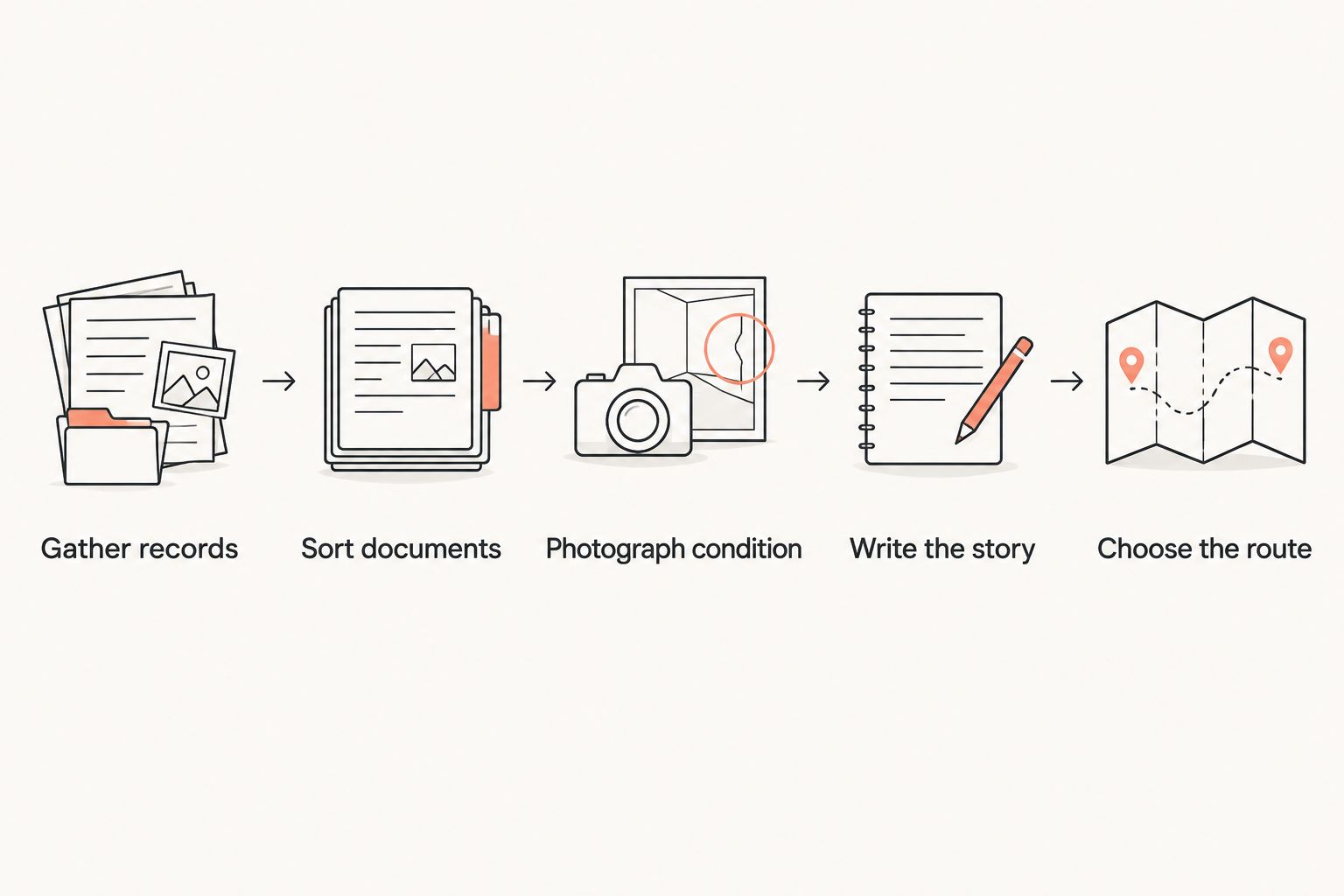
Those photo and folder counts are starting recommendations, not platform requirements. Show enough detail to explain the car honestly, and keep sensitive information out of public listing images.
How the options are ranked
The 2026 ranking follows selling route, buyer fit, record presentation, workload, commitment, and handover. It assigns each option a distinct use case rather than claiming every seller needs the same website.
The list does not rank platforms by sale speed, audience size, or likely proceeds. Choose by the transaction you want and the work you are prepared to do.
Which car-selling route should you choose?
Choose Autotrader if you want a conventional private-sale listing and have no specialist requirement. Choose Facebook Marketplace for local conversations, or Bring a Trailer when an enthusiast auction fits the car.
If you want a business purchase instead, request offers from Carvana and CarMax. Compare at least 2 offers using the same accurate vehicle information, then read the transaction requirements before accepting either.
For your 2026 sale, do not confuse a good listing with a completed transaction. Decide how inspection, payment, title transfer, and any lien will be handled before the handover.
FAQ
What's the best place to sell my car online in 2026?
Autotrader is the default choice in this comparison for a conventional private-sale listing. Choose Facebook Marketplace for local conversations, Bring a Trailer for an enthusiast auction, or a direct buyer when you do not want to advertise privately.
Should I sell my car privately or to a business?
Sell privately if you want to manage the listing and negotiate with individual buyers. Choose a business-purchase route if you prefer an offer and appraisal process instead of private viewings.
Is Facebook Marketplace better than Autotrader for selling a car?
Facebook Marketplace fits local messaging, while Autotrader fits a vehicle-focused classified listing. The better choice depends on the selling environment you want, not a guaranteed outcome.
Is Bring a Trailer right for an ordinary daily driver?
Bring a Trailer is a curated auction route, so submission acceptance and auction fit matter. A conventional private listing is the simpler starting point when you do not want an enthusiast auction.
Can I sell my car online without meeting private buyers?
Yes, a direct business-purchase route avoids arranging private-buyer viewings. Carvana and CarMax still have their own vehicle verification, document, and handover requirements.
What should I include in an online car listing?
Include accurate vehicle details, condition photographs, known faults, maintenance records, and relevant modifications. Keep sensitive personal information out of public documents and explain any gaps in the history.
Does a digital service history replace a vehicle inspection?
No, a digital service history does not replace a vehicle inspection. Records explain documented work; an inspection evaluates the car's present condition.
One last thing
Photograph the flaws before someone asks. A clear image of a worn seat, scratched panel, or damaged trim lets a buyer understand what you are describing.
Your strongest listing is not the one that says the least about problems. It is the one whose photographs, description, and records tell the same story.